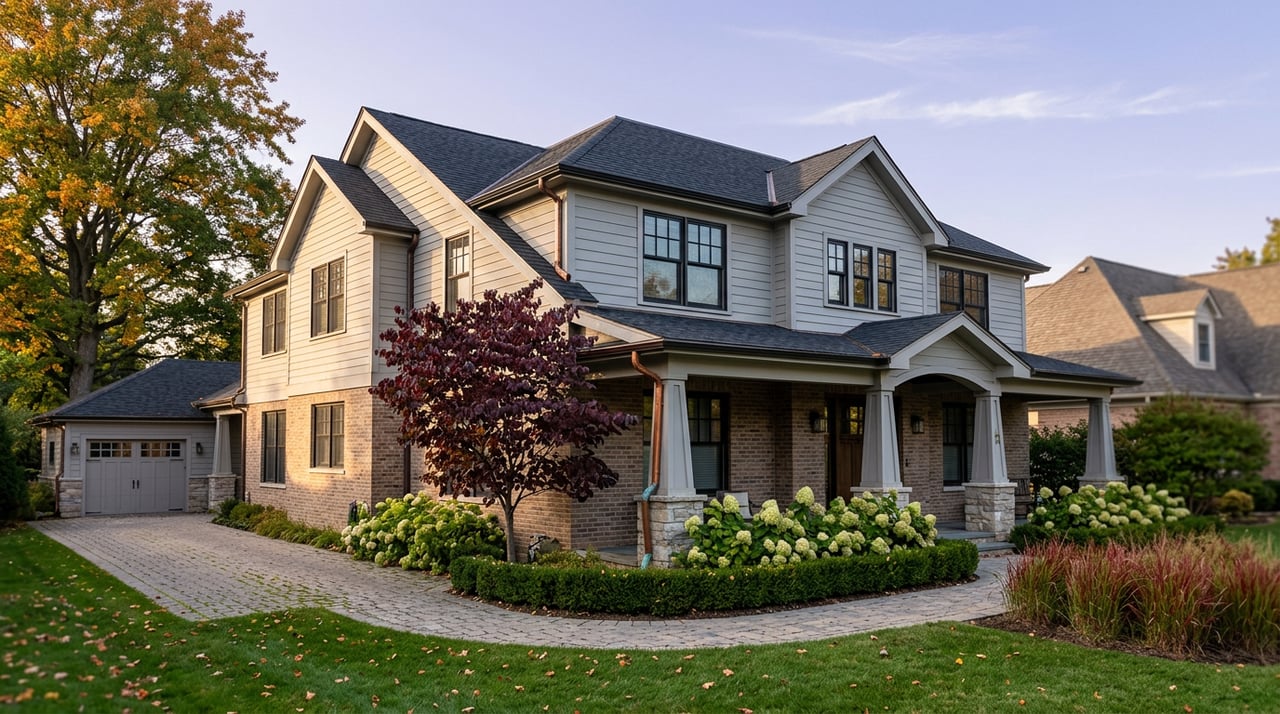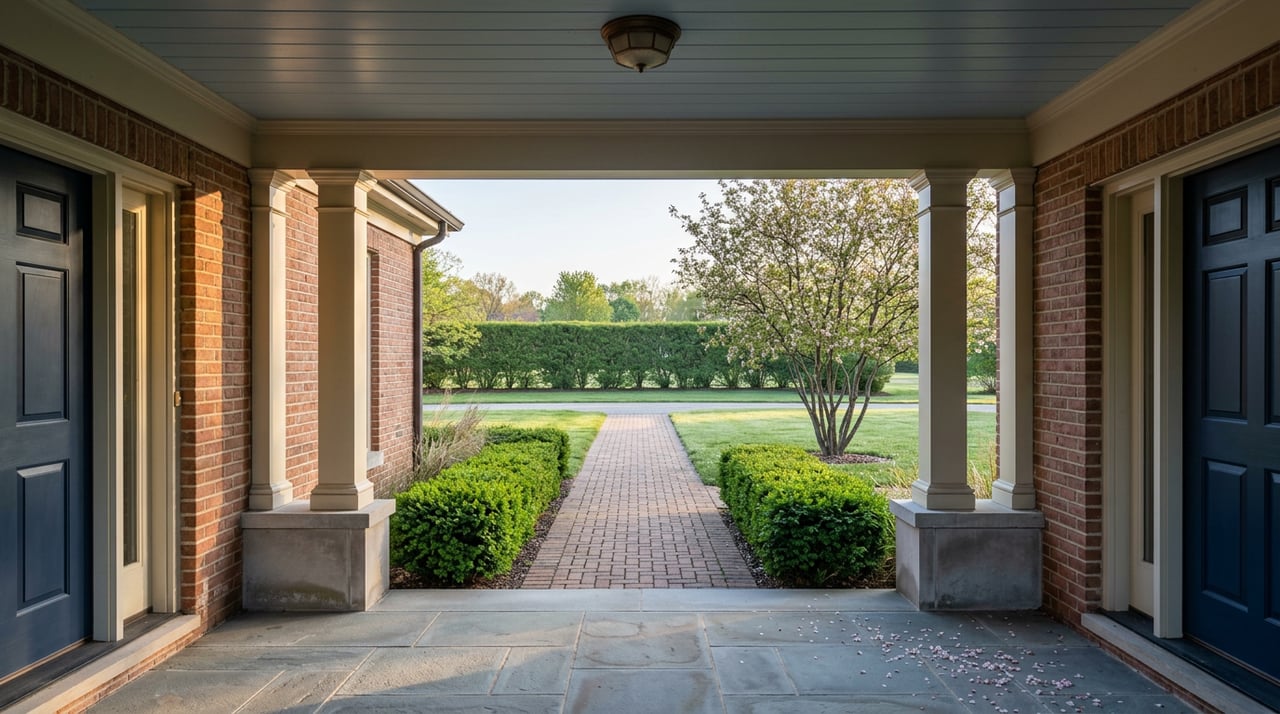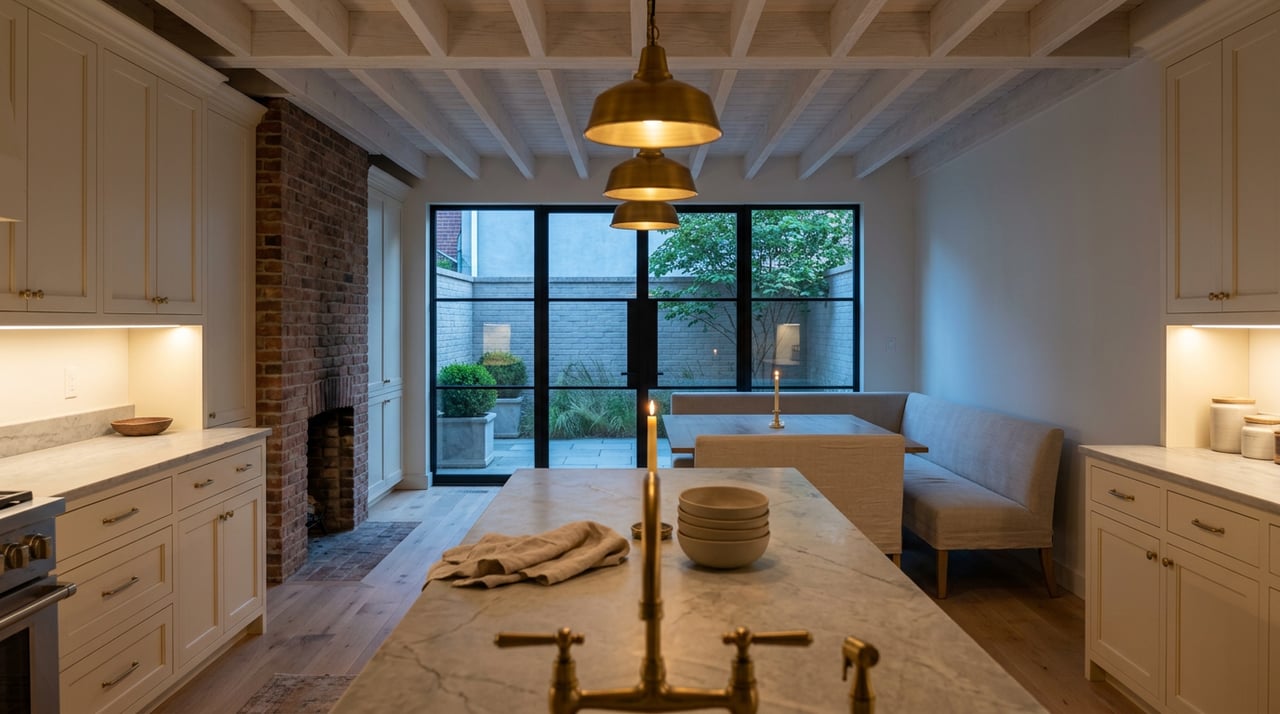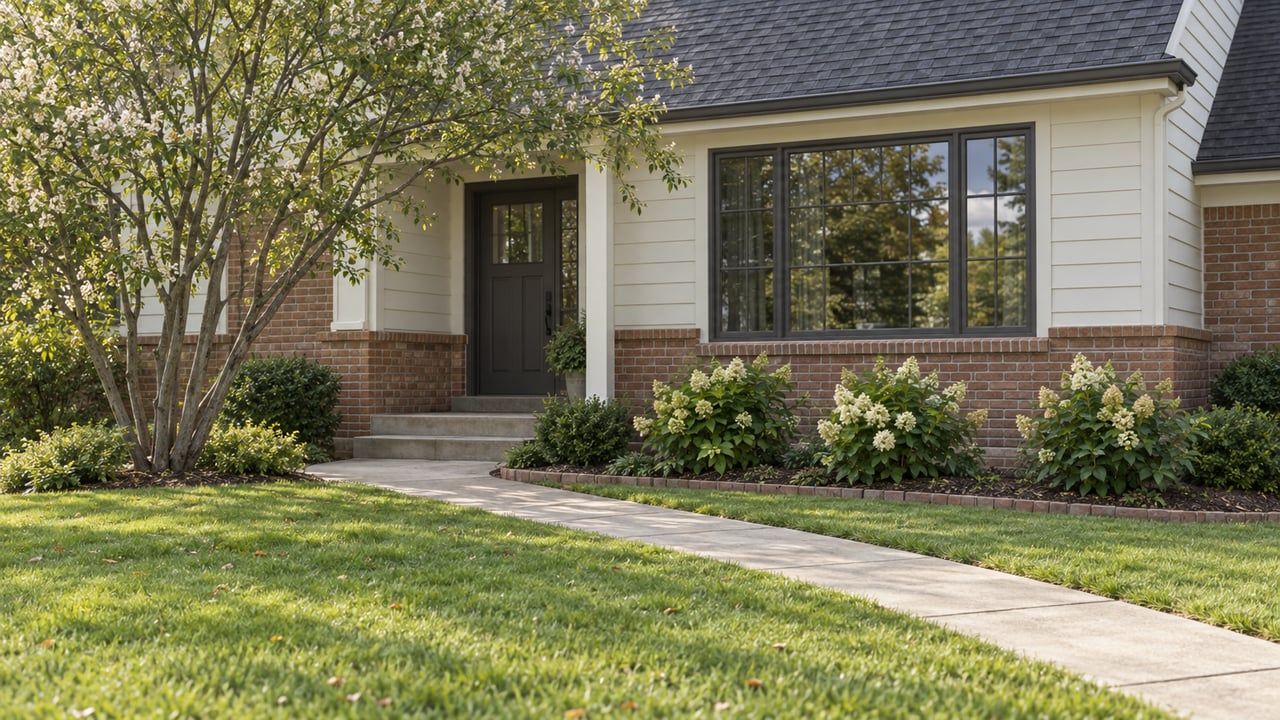
Over the three months ending in May 2026, the median resale home in Fishers sold for $427,000, up about 1.7 percent from the same stretch a year earlier, and it typically took around 20 days to go under contract with roughly three competing offers on the table. That is a market with real urgency in it. Walk two miles east or west into one of the city's active builder communities and the pace changes entirely. Listings sit longer, prices are set higher, and the number on the sign rarely moves even when the home has been there for months.
That contrast is not a coincidence and it is not a sign that new construction is a worse deal. It is a signal that the two markets are answering different questions, and a buyer who compares them on list price alone is comparing the wrong number.
What "Fast" Actually Looks Like in Fishers Right Now
The resale side of Fishers has stayed brisk through 2026. In May, 460 homes sold in the city, up from 407 the year before, and the median price per square foot climbed to $169, a 3.7 percent increase year over year. By September, listings were carrying a median asking price of $458,000 with a typical time on market of 46 days, roughly matching where the city stood the previous September. Home values tracked separately put the average Fishers property at $449,366 as of July 2026, up 1.8 percent over the year, with homes commonly going to pending status within about a week or two of listing.
None of these figures describe a slowdown. They describe a market where buyers are still competing for well-priced resale homes in established neighborhoods, from the Hawthorns to Saxony to the streets around Geist Woods.
Why Builders Keep Adding Supply Anyway
Fishers has spent the last several years building the case for why people want to live there in the first place, and that case keeps getting stronger. Thompson Thrift's Fishers District, a $750 million mixed-use development on 123 acres, is deep into its next phase. The Union portion of the project is bringing in Piedra, a Mexican restaurant from Fishers-based Arechiga Restaurant Group, along with Kitchen Social, Niku Sushi.Kitchen.Bar, Racha Thai, Everbowl, and The Oakmont, plus a 135-room AC Hotel by Marriott. The Crossing side of the district is adding Chicken N Pickle, an indoor-outdoor restaurant and pickleball complex, and a Jeni's Splendid Ice Cream scoop shop that will be the brand's first Indiana location.
Layer onto that JD Finish Line's plan to relocate its North America headquarters, a 350,000-square-foot operation, from Indianapolis into the former Navient Building in Fishers. Every one of those additions represents households who will need somewhere to live within a reasonable commute, and builders are underwriting to that future demand right now in communities like Saxony, The Lakes at Grantham, Abbott Commons, The Cove at Geist, Barrington Estates, and Springs of Cambridge.
That is the piece that explains the contradiction. Builders are not slowing down construction because resale is moving fast. They are building toward a household base that is still arriving, on a timeline measured in years rather than weeks, and that timeline changes how they price and how patiently they wait for a buyer.
The List Price Isn't the Real Comparison
New construction across the Indianapolis area has typically carried a real premium over resale, often listing well above $400,000 at the median while comparable resale inventory sits meaningfully lower. Builders protect that number even when a home has sat unsold for a while, because cutting the list price on one home drags down the appraised value of every other home in the same community still waiting to sell. A builder with dozens of lots left to move has a much stronger incentive to hold the sticker price and make up the difference somewhere the appraiser never sees.
That somewhere is financing. The most common tool is a temporary rate buydown, where the builder sets aside funds at closing to cut the buyer's interest rate for the first year or two before it steps back up to the full note rate, often structured as a 2-1 buydown: two points off in year one, one point off in year two. A smaller number of builders go further with a permanent buydown, paying discount points upfront to lower the rate for the entire life of the loan, which tends to matter more to a buyer who plans to stay put. Layered on top of either option are closing cost credits, which can cover lender fees, title costs, or prepaid taxes and insurance, and design credits toward flooring, cabinets, or landscaping.
| Incentive | What it actually changes | The catch |
|---|---|---|
| Temporary buydown (2-1) | Lowers your monthly payment for the first one to two years | Payment jumps to the full note rate afterward; budget for that number, not the introductory one |
| Permanent buydown | Lowers your rate for the entire loan term | Usually the smaller headline number, but the more durable benefit for a long-term hold |
| Closing cost credit | Reduces the cash you bring to the table on move-in day | Often tied to using the builder's in-house lender, whose fees may run higher than an outside quote |
| Design or upgrade credit | Adds value in finishes rather than cash | Doesn't touch your monthly payment the way a rate buydown does |
Rates themselves have not made this an easy year to ignore. The average 30-year fixed mortgage drifted upward through the summer, touching around 6.69 percent in early August 2026. On a $500,000 loan, even a quarter-point swing in rate runs close to $1,000 a year in principal and interest, which is exactly the kind of gap a builder's buydown is designed to absorb.
Turning an Incentive Sheet Into One Real Number
The way to compare a new build against a resale home a few streets over is to convert every incentive into two figures: what it does to your monthly payment, and how much cash you need at closing. A $30,000 design credit and a $30,000 permanent rate buydown are not the same offer wearing different clothes. One changes what your kitchen looks like. The other changes what you owe every month for as long as you hold the loan.
Ask the builder for a written breakdown of the buydown cost, the design credits, the closing cost assistance, and any free upgrades, and get the terms in writing before you sign. Confirm what happens to unused buydown funds if you refinance early, since some programs apply the remaining balance to your principal and others do not. If the deal runs through the builder's preferred lender, run that lender's fees against an outside quote before assuming the credit is free money. Builders often set sales targets tied to the end of each quarter, so an incentive stack offered in September can look different by the time December closes out the year, which is worth knowing if your timeline has any flexibility at all.
Once you have that real monthly number, hold it up against a resale home at the market rate available to you today. Sometimes the new build wins once the buydown is priced in. Sometimes the resale home, closer to the pace of a 20-day market and free of a rate that resets in year three, is the better long-term math. Either answer is fine. The point is running the comparison on the number that actually determines your payment, not the number printed on the sign.
Frequently Asked Questions
If a new-construction home has been listed for months, does that mean the price will eventually drop? Not necessarily. Builders are more likely to add or increase financing incentives than to cut the list price outright, since a price cut affects the appraised value of every other home still for sale in that same community.
What happens to a temporary buydown if I sell or refinance before it expires? Policies vary by builder and lender. Some programs apply unused buydown funds to your loan principal if you refinance early, but this should be confirmed in writing before you close, not assumed.
Do I have to use the builder's preferred lender to get the incentive? Often the richest incentives are tied to an in-house or partner lender. That can still be a good deal, but compare their fees against an outside quote first. A large credit paired with above-market lender fees may net out smaller than it looks on paper.
Comparing a builder's incentive sheet against a resale listing is exactly the kind of math where a second set of eyes helps. If you are weighing a new build in one of Fishers' active communities against a resale home nearby, Staff Homes can walk through the real numbers with you before you sign anything.